What Makes a Product Image Actually Convert (And What Doesn't)
Most product images tell buyers what a product looks like. The best ones tell buyers what their life looks like with the product in it. Here's the difference, and how to close it.
Buyers don't read product descriptions on the first visit. They look at images, check the price, and decide in under five seconds. Everything else, the copy, the reviews, the specs, is confirmation for a decision already made by the visuals.
Which means the difference between a 2% and a 5% conversion rate is rarely the price, the headline, or the number of reviews. It's usually the image. Specifically: whether the image answers the question buyers are actually asking.
Most product images answer the wrong question. They show buyers what the product looks like. But what buyers are really asking is: is this for me?
What high-converting product images have in common
Across categories and price points, the images that consistently drive conversion share four characteristics, and the weakest link in the chain usually determines the outcome.
- Context: the product is shown in an environment the buyer recognizes as their own life
- Clarity: the product is sharp, well-lit, and visually unambiguous
- Credibility: the image quality signals that the brand behind it is trustworthy
- Specificity: the scene is specific enough to trigger a mental image of using the product, not generic enough to apply to anything
Generic studio shots on white are credible and clear. They're consistently weak on context and specificity. This is why lifestyle images outperform white-background shots in click-through rates across almost every non-marketplace platform, even when the white shot is the technically better photograph.
💡 Pro tip
Test your best lifestyle image as the primary listing image before you test your pricing. Most sellers optimize price, title, and reviews before touching visuals. That's the wrong order, images are the highest-leverage variable on most product pages.
Context matters more than you think
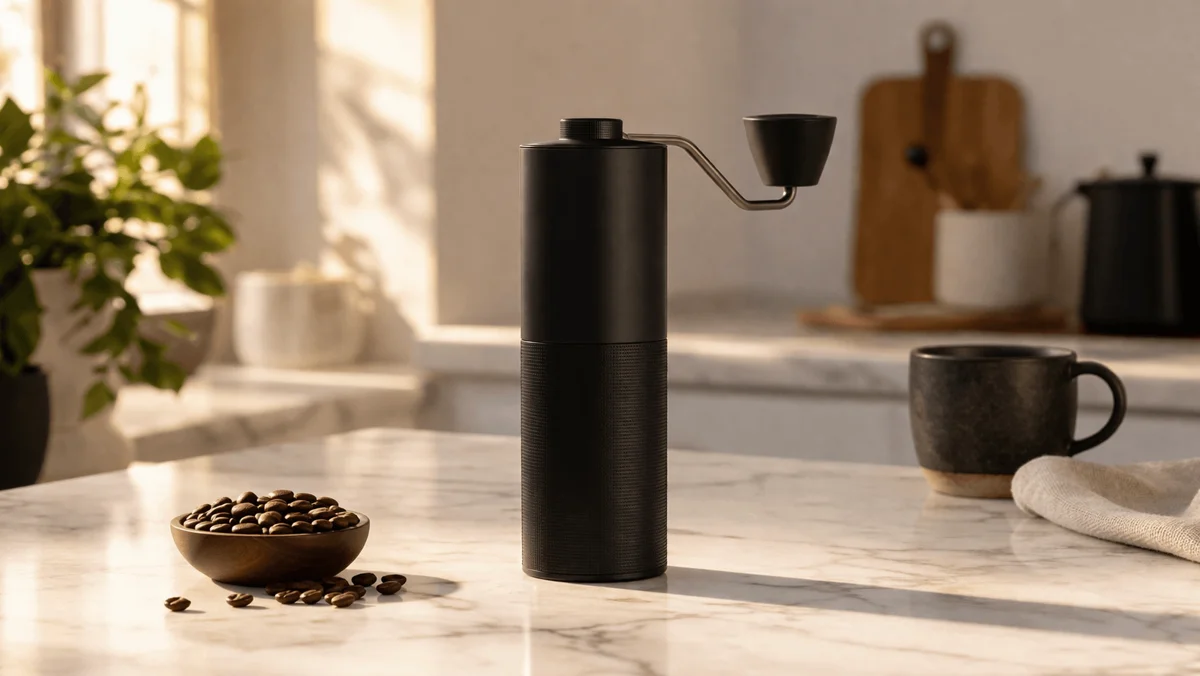
When someone shops for a coffee grinder, they're not imagining it on a white surface. They're imagining it on their kitchen counter, next to their espresso machine, in the morning light. The product they buy is the one that already looks like it belongs in their life.
An image that places the grinder on a marble countertop with warm light and the suggestion of a morning routine speaks directly to that mental image. It closes the gap between product and buyer faster than any copy can.
Context doesn't have to be complex. Placing a supplement bottle on a clean gym shelf rather than floating against white is often enough. The setting communicates who the product is for, without a word of copy.
Before choosing a background or scene, ask: where does my ideal buyer picture themselves using this? That's your context. Build the image around that answer.
💡 Pro tip
Your secondary images on Amazon do more selling than your hero image. The hero gets the click; the secondary gallery closes the sale. Most sellers neglect their secondary slots, which is where lifestyle images belong and where the conversion gap is largest.
The hidden cost of inconsistency
A single great image helps one product convert. Consistent visual style across your entire catalog builds brand trust that compounds over time.
When a shopper clicks from product to product and sees a coherent visual world, similar lighting, consistent backgrounds, the same tonal register, they form a stronger impression of the brand. Inconsistency signals neglect or uneven quality, even when neither is true.
This is where most growing brands hit a wall. They produce excellent images for their hero products but let the rest of the catalog fall behind. Reshoots are expensive. Scheduling them is slow. And every product launched without a proper lifestyle image is a missed conversion opportunity.
AI-generated images make it practical to bring every product up to the same standard, including the products that would never justify a standalone shoot. The cost per image drops to a point where consistency across a 50-SKU catalog becomes achievable.
Platform-specific image requirements
Where you sell affects what converts. The same image strategy doesn't work equally across all channels.
- Amazon: white hero required by policy; lifestyle images in secondary slots consistently lift conversion
- Shopify: no background constraints; lifestyle images typically outperform studio shots at the same quality level
- Instagram: native-feeling, slightly editorial images perform better than clearly commercial product shots
- Pinterest: high-contrast, vertically-oriented lifestyle images with unambiguous subject matter
The practical implication: you need both formats. A clean white-background version for marketplace compliance, and contextual lifestyle images for everything else. The brands that produce both consistently, across their full catalog, have a structural advantage over those that don't.
💡 Pro tip
Shoot your lifestyle images from consistent angles and distances across your catalog. Visual harmony at the catalog level tells buyers they're looking at a real brand, not a store that assembled its catalog from three different photographers and two different years.
Common questions about marketing
Keep reading
May 23, 2026
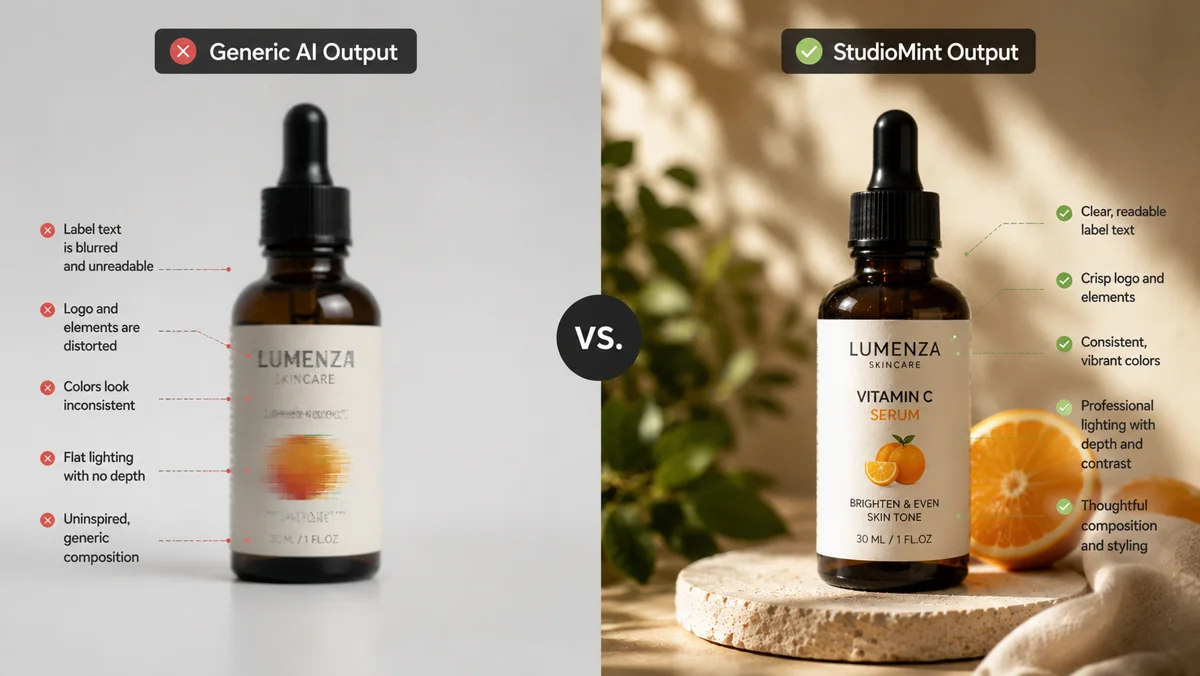
Why Generic AI Image Tools Fall Short for E-commerce Product Photography
General AI tools can generate impressive images. They are not built for product photography. Here is what changes when the tool is designed for e-commerce instead of for everything.
Read guide
February 18, 2026
How Many Product Images Do You Actually Need to Convert?
More images isn't always better. The right number depends on your product, your price point, and the questions buyers are actually asking. Here's how to figure it out.
Read guide